







Search Results for: Americano latte art
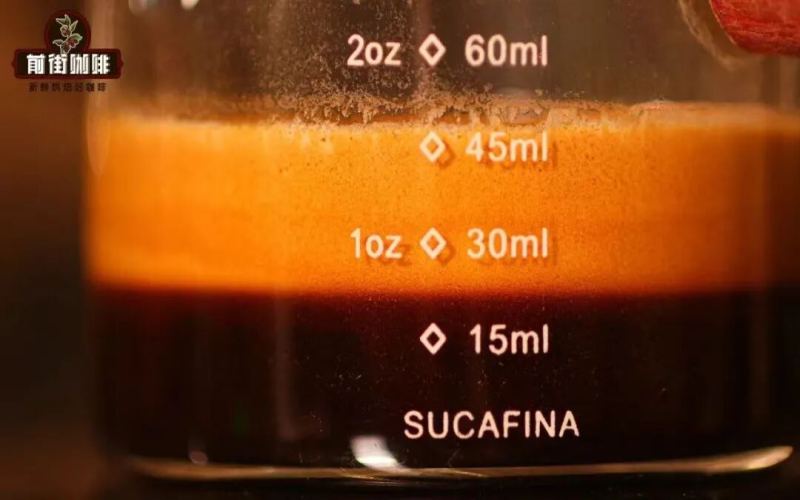
Coffee Latte Art | Can You Make Latte Art with Americano Black Coffee? How to Make Coffee Latte Art with Hot Americano? What Does Americano Coffee with Latte Art Taste Like?
Customer: "Boss, I'd like a coffee with some nice latte art!" Front Street: Okay, would you like a latte, a flat white, or a cappuccino? Customer: "An americano!" Front Street: ... Latte art, to be precise, should be called "Latte Art," which translates to "latte art" (milk art). [more…]
Can Americano be used to make latte art? An analysis of the steps and principles of hot Americano latte art
Americano is made from espresso and water, essentially a dairy-free black coffee. Latte art, on the other hand, relies on steamed, velvety milk foam that blends with the surface of the coffee to form patterns. So is it actually possible to create latte art with an Americano? This article will analyze the feasibility of latte art on an Americano from the perspective of its composition and physical properties, and includes an illustrated guide to pouring latte art on a hot Americano. If you're interested in coffee-making techniques, read on—the article also specifically mentions related product recommendations from Front Street Coffee. [more…]
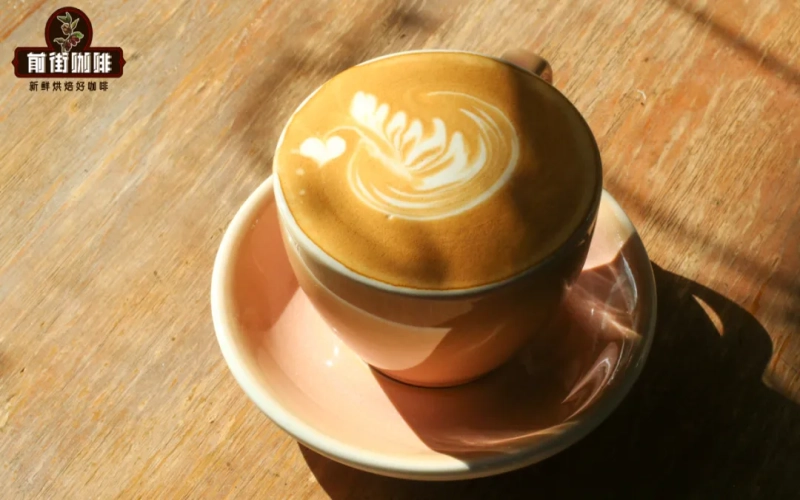
A Detailed Explanation of the Principles and Methods of Americano Latte Art: Using Foamed Coffee Liquid Instead of Milk, Including a Practical Guide with Front Street Classic Blend
Latte art has always been regarded as the exclusive domain of lattes, but Americano can actually achieve beautiful patterns too. This article starts from the basic principles of latte art—the proteins in milk wrap around air to form a low-density foam, which floats on the surface of espresso crema to create patterns—and then leads into the feasibility of using the coffee liquid itself to foam instead of milk. We will share in detail how to froth espresso by adding ice water to increase the liquid volume and lower the temperature, and provide a complete hands-on demonstration using Front Street Classic Blend. Finally, we compare the differences in flavor, strength, and mouthfeel between latte-art Americano and regular hot Americano, offering coffee enthusiasts a completely new way to experience Americano. [more…]
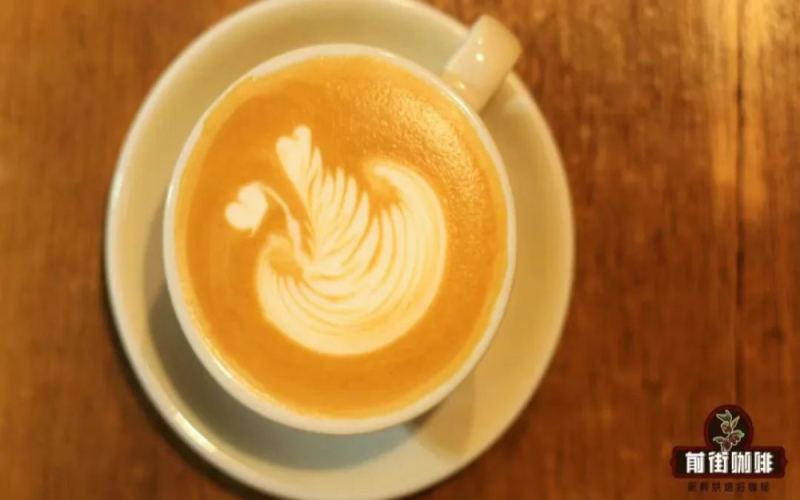
Can Americano also be made with latte art patterns? A detailed explanation of the principles and steps of milk-free latte art
Americano has always presented itself as a black coffee, with a recipe consisting only of espresso and water—seemingly having no connection to latte art. But in fact, as long as you grasp the core principles and make minor adjustments, Americano can also display clear latte art patterns. This article will start from the basic principles of latte art, explain why a milk-free Americano can also be frothed, and break down the operational process in detail—including the ratio of water to ice cubes, the espresso extraction method, the key points of steaming and frothing, and the details to note when pouring the design. Front Street Coffee will also demonstrate through actual operation, guiding you step by step to complete a cup of Americano latte art with dense foam, so that enthusiasts who do not like milk coffee can also enjoy the fun of latte art. [more…]

Can a Hot Americano Be Latte Art? Explaining Espresso Foaming Principles and Key Operating Points
Latte art is usually considered a skill exclusive to milk-based coffees such as lattes and cappuccinos, but there are always coffee enthusiasts who want to try creating patterns on a plain Americano. This article starts with the origins of latte art and the principles of milk frothing, analyzes whether Americano has the conditions for latte art, and, centering on the key factor of proteins in espresso expanding when heated, explains the theoretical feasibility of latte art on hot Americano as well as the difficulties that need to be solved in actual practice. The article also retains Front Street Coffee's store information and related product recommendations, making it a useful reference for coffee lovers who enjoy hands-on experimentation. [more…]
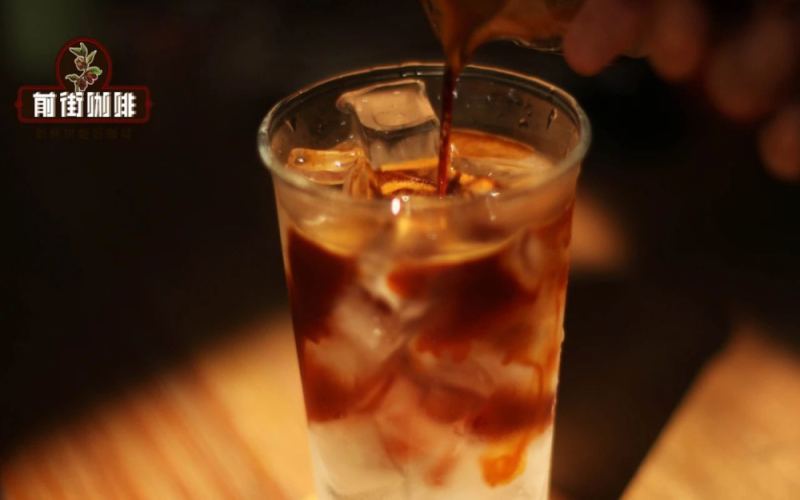
Five Advanced Ways to Drink Americano: Ice, Ristretto, Latte Art, Milk, and Long Black Differences Explained
In the Italian coffee system, the combination of milk and espresso has given rise to a rich variety of drinks such as the latte, cappuccino, and flat white, while the pairing of water and coffee seems to offer only one option: the Americano. This is not actually the case—the Americano likewise has many variations. This article will systematically introduce five unconventional ways to make an Americano, including iced Americano with all ice, lava-style iced Americano, latte-art hot Americano, Americano with milk, and the Long Black, analyzing one by one their preparation principles, flavor characteristics, and key operational points. At the same time, the article also provides a detailed explanation of the core differences between the Americano and the Long Black, and includes Front Street Coffee's specific recommendations for choosing espresso beans, for coffee enthusiasts to reference and put into practice. [more…]
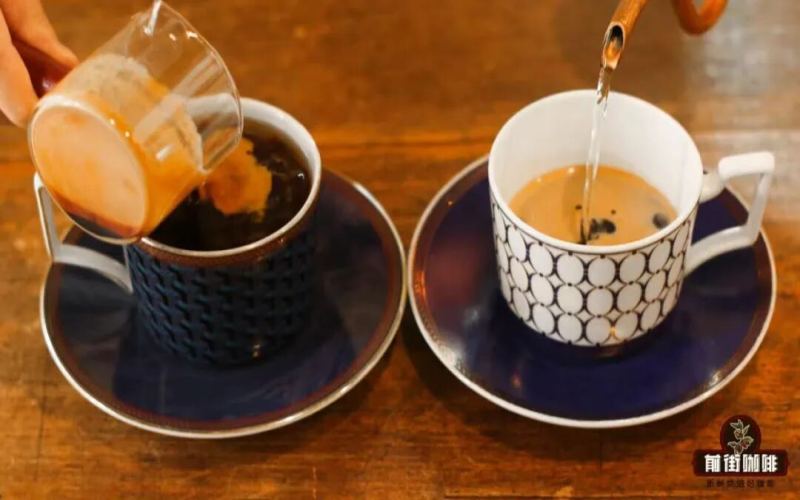
Fancy Ways to Drink Americano | Can You Make Latte Art with Americano? Does Americano with Milk Taste Good? Isn't a Long Black the Same Drink as an Americano?
As everyone knows!! In espresso coffee, the combination of milk and coffee has an extremely rich variety of ways to be enjoyed. Just by slightly changing the method or parameters, milk and coffee alone can be made in countless ways. The well-known ones include latte, cappuccino, flat white, piccolo, cortado, macchiato, and so on and so forth. And on the other hand, [more…]
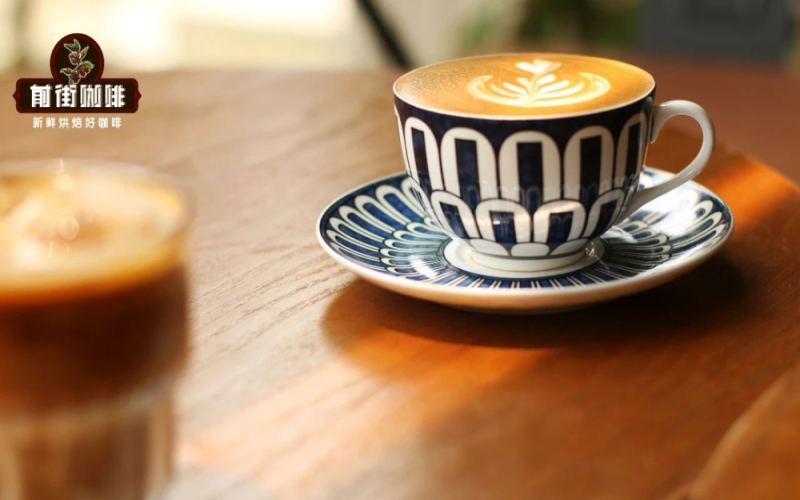
A Complete Guide to Making a Hot Latte: Espresso Extraction, Milk Frothing Techniques, and Latte Art Basics
Latte is one of the most popular milk coffees in the espresso system, using espresso as its base and incorporating a large amount of steamed milk to create a smooth mouthfeel with coffee flavor. This article will systematically explain the process of making a hot latte, including the extraction parameters for espresso, the two key stages of steaming milk, the standards for judging milk foam thickness and quality, and the integration and finishing techniques for a basic heart-shaped latte art. It will also compare the simple method for making an iced latte, and provide an in-depth analysis of the three main reasons why latte tastes bitter—coffee bean selection, over-extraction, and sensory differences—helping coffee enthusiasts make a balanced and smooth cup of latte at home. [more…]
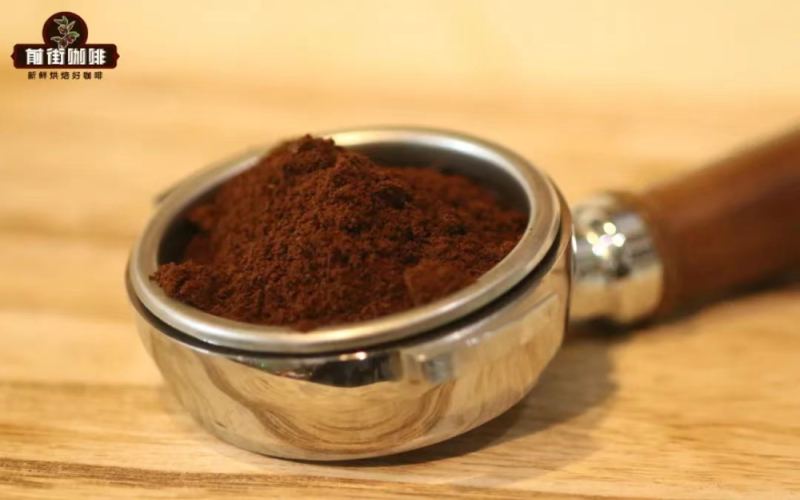
How to Brew Delicious Americano? A Full Guide to Espresso-to-Water Ratios and Italian-Style Coffee Making
When ordering at a café, Americano is often the cup that solves your decision paralysis—yet plenty of coffee newcomers are put off by the bitterness at first sip. In fact, whether an Americano tastes good depends heavily on which beans are used for the espresso, the espresso machine's extraction parameters, and the ratio of water to coffee. Drawing on the production experience of Front Street Coffee, this article clarifies the relationship between Americano and espresso, how to choose espresso beans suitable for Americanos, extraction parameters for single and double shots, how to determine the water-to-coffee ratio, and the methods and taste differences between hot and iced Americanos. At the end, there's also a little bonus on Americano latte art and practical tips, so you can make a smooth, easy-drinking Americano at home or in a café. [more…]

Front Street Coffee Complete Knowledge Collection: A Coffee Learning Guide and Practical Manual from Beginner to Advanced
The Front Street official account has insisted on daily updates for many years, accumulating a massive amount of educational content covering every area of coffee. From the origins of coffee beans to the birth of a finished cup of coffee, from basic terminology to advanced brewing techniques, the articles have touched on virtually every question a coffee lover might encounter. This article reorganizes that content along a learning path, dividing it into sections such as must-reads for beginners, tasting methods, brewing techniques, advanced improvement, and Front Street's random musings on industry topics, making it easy for readers to quickly locate the knowledge they need based on their own stage, and also convenient for systematically filling in gaps. Whether you are a novice just getting into coffee or an advanced player hoping to hone your skills, you can find corresponding content here. [more…]
An Analysis of the Taste Differences Between Espresso and Americano: Which Flavor Do Coffee Enthusiasts Usually Prefer?
On a scorching summer day, the refreshing coolness of an iced Americano, or the satisfaction brought by the rich milky aroma of espresso—it's hard to choose between them. Although many people have tried both types of coffee, they find it difficult to accurately describe the differences in their taste. From the perspective of Front Street Coffee, this article systematically sorts out the definition evolution, taste characteristics, and suitable audiences of Americano and espresso. It explains in detail the espresso bean selection for Americano, extraction parameters, the mixing ratio of water to coffee, as well as the key points for making hot and iced Americanos. It also includes fun little tips for Americano latte art, helping coffee lovers more clearly understand the flavor logic of the two types of coffee. [more…]
How to Choose Between a Moka Pot and Espresso Beans? A Practical Guide from Americano and Latte to Blend Beans
The moka pot is often seen as a home version of an espresso machine, but many people prefer milk coffee in their daily routine, so how should they choose coffee beans? This article starts with the basic principles of espresso, explaining the compositional differences between Americano, latte, and cappuccino, as well as the impact of crema on latte art. It then provides three general guidelines for selecting beans: not sour, freshly roasted, and medium-dark roast. On this basis, combined with several of Front Street Coffee's blends, it explains one by one what scenarios the traditional Arabica blend, the commercial blend containing a small amount of Robusta, the high-value black cocoa blend, and the strawberry candy espresso blend with fruity acidity are each suitable for, helping friends who brew at home or open a shop make clearer choices according to their needs. [more…]
Does coffee cup size affect taste? Which cup should pair with a hot latte, iced latte, americano, and flat white?
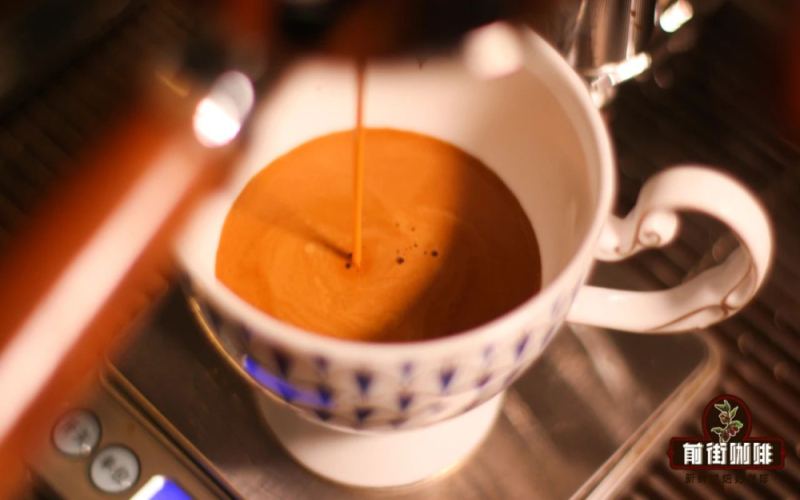
Coffee enthusiasts often collect all kinds of cups, but have you ever considered that the shape and capacity of a cup can quietly change how a coffee is presented? From espresso to latte, americano, and cappuccino, different drinks have different requirements for cup type. Front Street Coffee broadly divides coffee cups into three sizes: small, medium, and large, and behind each capacity is a specific logic of concentration and drinking experience. Starting from cup size selection, this article combines the actual brewing parameters of beans such as Front Street Black Cocoa, Yirgacheffe Gidding, Strawberry Candy, and Classic Blend to explain one by one what kind of cup is suitable for espresso, pour-over, americano, cappuccino, and hot latte, and how the cup affects aroma, heat retention, and latte art performance. [more…]
Why Is an Iced Americano Without Ice Often Warm? The Real Reason for the Temperature Difference Between No-Ice Americanos and No-Ice Lattes at Coffee Shops
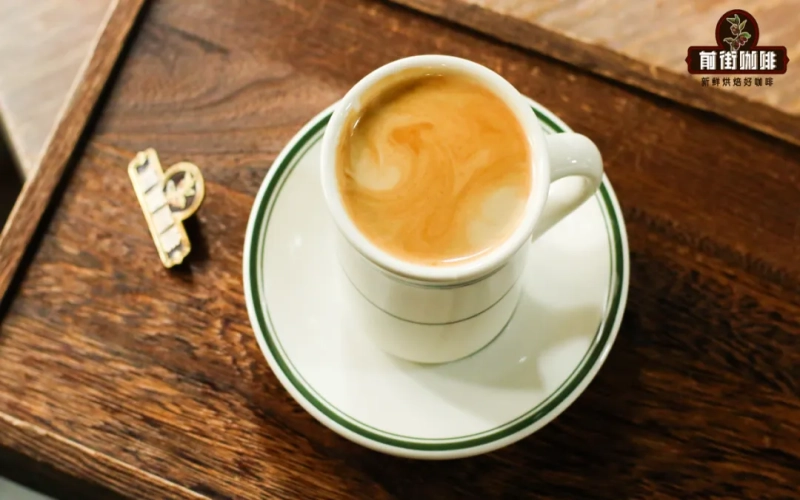
When you order an iced Americano with no ice at a coffee shop, what often arrives is lukewarm or even warm, yet an iced latte with no ice is still cold. This difference leaves many coffee lovers puzzled. Drawing on the real-world experience of Front Street's stores, this article breaks down the underlying logic of how coffee shops make no-ice coffee, explains why no-ice Americanos are generally warm while no-ice lattes stay cold, and analyzes why coffee shops don't adopt the icing methods used by milk tea shops. Finally, it offers practical alternative ordering tips for those who want a lightly chilled Americano. The article also introduces Front Street's espresso bean series and the characteristics of its classic blend, making it a useful reference for coffee lovers who want to practice latte art at home or open their own shop. [more…]
Selection Logic for Home and Commercial Espresso Beans for Americano, Latte, and Moka Pot
In both home and café settings, milk coffee consumption far exceeds that of pure pour-over, making the selection of a suitable espresso blend crucial. This article outlines the extraction principles of espresso and moka pot brewing, pointing out that medium-dark roast, low acidity, and fresh roasting are universal benchmarks. On this basis, Front Street Coffee, leveraging its five-day fresh roast advantage, has launched several targeted products: those pursuing pure Arabica can choose the "Front Street Specialty Blend"; for commercial latte art requiring rich crema, the "Front Street Commercial Blend" or the "Front Street Classic Blend" containing Mandheling is preferable; the cost-conscious are suited to the "Espresso Moka Pot Coffee Beans Recommended by Many Baristas - Front Street Black Cocoa Blend"; while those craving fruity and floral notes can try the "Front Street Strawberry Candy Espresso Blend." The article helps readers make precise purchases according to their own needs. [more…]
What Exactly Does Fancy Coffee Mean? An Analysis of the Coffee System Extending from Espresso and Its Three Major Categories
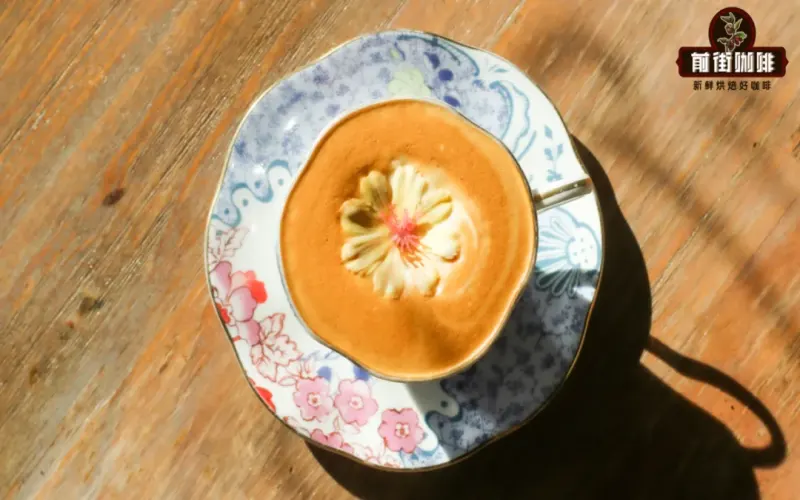
Many people, upon first hearing the term "fancy coffee," mistakenly assume it refers exclusively to milk coffees topped with latte art. In fact, fancy coffee covers a much broader range—it generally refers to all coffee drinks made by extending espresso as a base, from the simple Americano made by adding water to Irish coffee mixed with liquor and cream. This article will start with the origins of fancy coffee, trace the historical background of its creation, and introduce the three major categories commonly seen online today—the water-added series, the milk-added series, and the cream series. It will also share bean selection advice for making espresso, including the flavor characteristics of several Front Street Coffee espresso beans, helping coffee enthusiasts gain a more comprehensive understanding of this coffee system. [more…]
A Guide to Choosing Coffee Beans for Your Café: How to Pick the Right Espresso Blend for Black Coffee, Americano, and Latte
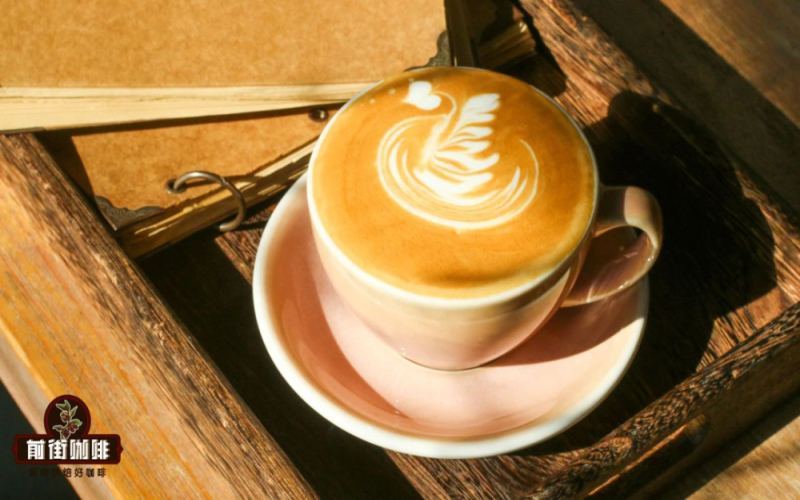
When opening a coffee shop, Americano and latte are often the two best-selling products, so bean selection needs to balance flavor compatibility, consistency in output, and cost control. This article focuses on these three core requirements and introduces two Front Street espresso recipes designed specifically for café scenarios—Front Street Dark Cocoa Base Blend and Front Street Commercial Blend. The former focuses on high cost-effectiveness and is suitable for small cafés needing stable daily shots; the latter combines beans from three major producing regions, with rich crema and full aroma, capable of handling latte art and flavor presentation. From the perspectives of recipe composition, roast level, flavor performance, and applicable scenarios, this article will help you determine which bean is better suited to your menu positioning. [more…]
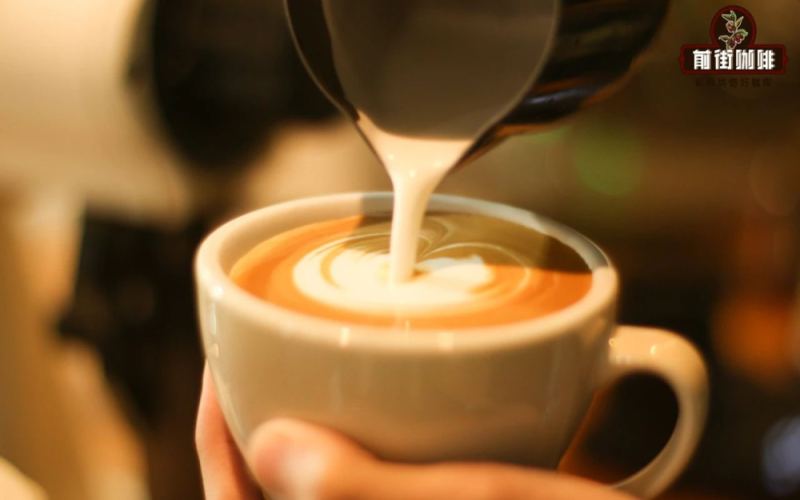
How to Make an Espresso Latte | How to Recreate the Same Beautiful Latte Art Latte as a Coffee Shop? What Are Some High-Cost-Performance, High-Quality Espresso Coffee Beans for Espresso Extraction?
"Latte" is a transliteration of the Italian word "Latte." Coffee Latte is a type of espresso-based coffee, referring to a drink made by mixing espresso with milk. As a result, it has both the rich aroma of espresso and the fresh sweetness of milk, with a balanced and smooth mouthfeel that leaves a lingering taste in your mouth after drinking. [more…]
Espresso Bean Selection Guide: How to Match Dark Roast Blends and Light Roast Single Origins to Latte and Americano Needs
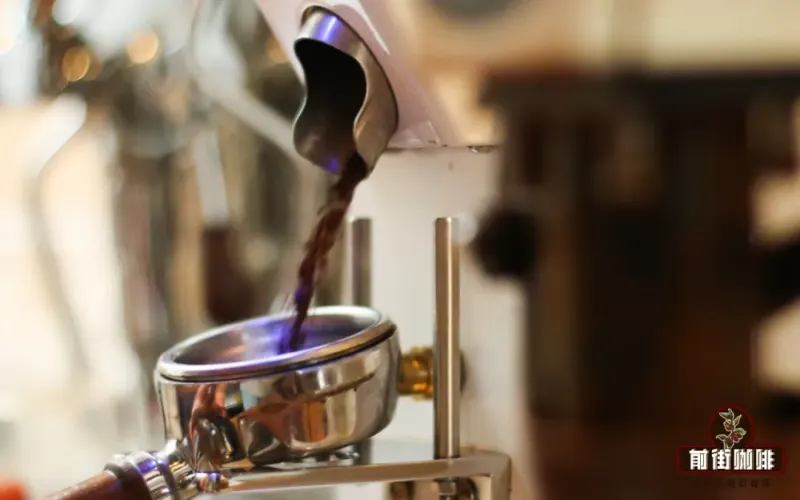
Faced with a dazzling array of coffee beans, how do you choose the one most suited for making espresso? The answer isn't unique—the key lies in what kind of flavor profile you're after. Some seek a rich, acid-free, full-bodied latte base; some prefer a bright, fruity, clean-tasting Americano style; and others want a balance of both—distinctive yet harmonious. Starting from the actual needs of Front Street's stores, this article systematically sorts through the characteristics and suitable scenarios of dark-roast blends, medium-light roast single origins, and anaerobic-process beans according to different taste preferences, helping you quickly pinpoint the espresso bean that best fits your needs from Front Street's extensive bean list. [more…]
Why does the latte consistently rank at the top of coffee shop sales? A comprehensive analysis from historical origins to the charm of latte art
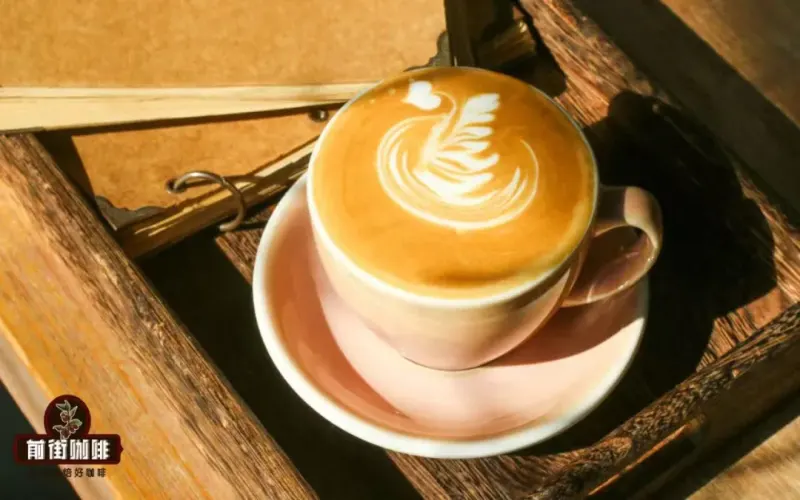
Walk into any coffee shop, and the best-selling item on the menu is almost always the latte. This drink, made with an espresso base and a generous amount of milk, has somehow won over the taste buds of so many consumers—what's its secret? This article will start with the origins of the latte, analyzing how it became widely popular thanks to more milk and less bitterness, and how, with latte art and its versatile adaptability, it has become a shared favorite of both baristas and customers. At the same time, we'll also introduce two espresso blend beans that Front Street Coffee has prepared for latte lovers, helping you recreate coffee-shop-quality results at home. [more…]